
If you’re facing an unplanned pregnancy, you’ve likely come across the term “at-home abortion”. You might be feeling overwhelmed, unsure of what to do next, and wondering if this option is safe or right for you.
We understand how important it is to have clear, compassionate information before making any big decisions. In this blog, we’ll walk you through what at-home abortion involves, the potential risks, and what steps you can take to protect your health and peace of mind.
What is an At-Home Abortion?
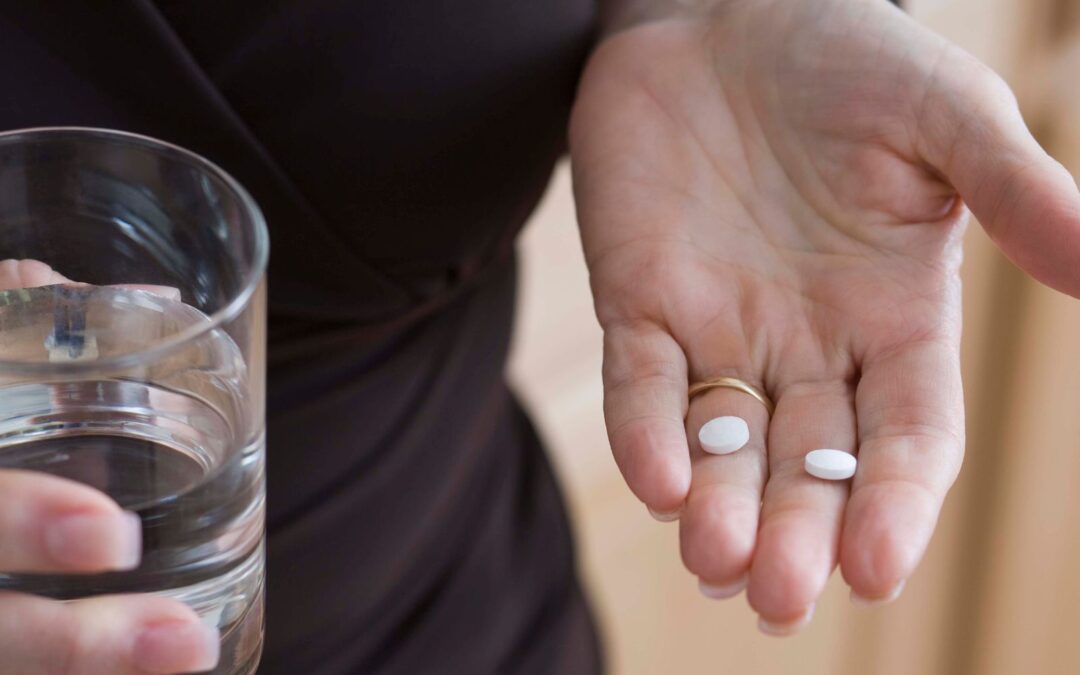
An at-home abortion, also called medication abortion or abortion pill, involves taking two medications—mifepristone and misoprostol—to end a pregnancy. This method is FDA-approved for use up to 10 weeks of pregnancy (measured from the first day of your last period).
Here’s how it works:
- Mifepristone: Taken first, this medication blocks the hormone progesterone, which is necessary for pregnancy to continue. It stops the embryo or fetus from growing.
- Misoprostol: Taken 24–48 hours later at home, this medication causes the uterus to contract and expel the pregnancy tissue. This process is similar to a miscarriage and usually includes cramping and bleeding.
Is At-Home Abortion Legal in California?
Yes, at-home abortion is currently legal in California. However, according to FDA guidelines, the abortion pill should not be taken beyond 10 weeks of pregnancy.[1]
Before choosing an at-home abortion, it’s important to know how far along you are. A free ultrasound at CAPS can confirm gestational age and whether the pregnancy is progressing normally. If you’re further along or the pregnancy is not viable, we’ll help you understand all of your options so you can make an informed, safe decision.
Is At-Home Abortion Safe?
While many people use the abortion pill with few complications, it’s important to understand the potential risks. Common side effects include:
- Cramping and abdominal pain.
- Moderate to heavy bleeding, sometimes lasting days.
- Nausea, vomiting, diarrhea, or mild fever.
More serious, though rare, complications can include:
- Hemorrhaging. If you’re soaking through two or more large pads per hour for two hours straight, you may be experiencing dangerous blood loss and should seek emergency care.[2]
- Allergic reaction. Though rare, some individuals may experience a severe allergic reaction (anaphylaxis) to the medication.[3]
- Incomplete abortion. Sometimes, not all pregnancy tissue is expelled. This may require a surgical procedure to prevent infection.[4]
- Infection. If you have a fever, nausea, or diarrhea lasting more than 24 hours after taking misoprostol, this could signal an infection that needs medical treatment.[5]
Are Herbal Abortions Safe?
You may have seen herbal remedies for abortion on social media, but medical experts strongly advise against them. These methods are not proven, not regulated, and can be extremely dangerous.
Some herbs can cause serious harm, including organ damage or even death.[6] Please don’t risk your health on unproven methods. If you’re unsure where to turn, we’re here to help.
Considering At-Home Abortion? Start With Trusted Information at CAPS.
An unexpected pregnancy can feel like a lot, especially when you’re trying to sort through options on your own. But you don’t have to do it alone.
At CAPS, we provide free ultrasounds, accurate information about abortion and pregnancy, and a judgment-free space to talk things through. Our goal is to help you make the healthiest decision for your body, your future, and your peace of mind.
Call us at (619) 337-8080 or schedule your free appointment today. All services are confidential and free of charge!
Please be aware that CAPS does not provide or refer for abortion services. This article is for educational purposes only.
Sources
- FDA. (2025, February 11). Questions and Answers on Mifeprex. U.S. Food and Drug Administration. https://www.fda.gov/drugs/postmarket-drug-safety-information-patients-and-providers/questions-and-answers-mifeprex
- U.S. National Library of Medicine. (2016, May 16). Mifepristone (Mifeprex). MedlinePlus. Retrieved from https://medlineplus.gov/druginfo/meds/a600042.html
- Shin, Hyun Joo, et al. “Anaphylactic Shock to Vaginal Misoprostol: A Rare Adverse Reaction to a Frequently Used Drug.” PubMed Central (PMC), 9 Aug. 2018, www.ncbi.nlm.nih.gov/pmc/articles/PMC6137020
- Mayo Foundation for Medical Education and Research. (2022, July 29). Medical Abortion. Mayo Clinic. Retrieved from https://www.mayoclinic.org/tests-procedures/medical-abortion/about/pac-20394687
- See source #5.
- Ciganda, C., & Laborde, A. (2003). Herbal infusions used for induced abortion. U.S. National Library of Medicine. https://pubmed.ncbi.nlm.nih.gov/12807304/